

Purchasing land is often seen as a sound investment, whether for building a dream home, starting a business, or holding it as a long-term asset. However, unlike buying a developed property, land purchases come with unique risks and complexities. Conducting proper due diligence is not just a recommended step—it is an essential process that can save you from costly mistakes, legal disputes, and unforeseen challenges. This article explores why due diligence is critical, who offers these services, and why hiring professionals is a wise decision. We’ll also share a few cautionary tales to illustrate the consequences of skipping this vital step.
Why Due Diligence is Critical for Land Purchases
1. Avoiding Legal and Financial Pitfalls
Land ownership is governed by a web of legal and regulatory requirements. Without proper due diligence, you risk purchasing land with unresolved legal issues, such as unclear titles, liens, or easements. For example, a seller might not have the legal right to sell the property, or there could be unpaid taxes or mortgages attached to the land. These issues can lead to costly legal battles or even the loss of your investment.
2. Ensuring the Land is Suitable for Your Needs
Not all land is created equal. A plot that looks perfect on paper might have hidden issues, such as poor soil quality, environmental hazards, or zoning restrictions that prevent your intended use. Due diligence helps you confirm that the land is suitable for your goals, whether it’s building a home, starting a farm, or developing a commercial property.
3. Protecting Your Investment
Land is a significant financial commitment, and its value can be affected by factors such as location, accessibility, and future development plans. By conducting due diligence, you can assess the land’s true value and potential for appreciation. This process also helps you identify any red flags that could diminish the property’s value or make it difficult to sell in the future.
4. Complying with Local Regulations
Every municipality has its own zoning laws, building codes, and environmental regulations. Due diligence ensures that your plans for the land align with these rules. For instance, you might discover that the land is in a flood zone, requiring expensive insurance, or that it’s protected under conservation laws, limiting what you can build.

5. Preventing Future Headaches
Imagine purchasing land only to find out later that it lacks access to utilities, has unresolved boundary disputes, or is subject to unexpected assessments. Due diligence helps you uncover these issues upfront, allowing you to make an informed decision or negotiate better terms.
Who Offers Real Estate Due Diligence Services?
Due diligence is a multifaceted process that requires expertise in various areas, including law, surveying, environmental science, and finance. Fortunately, there are professionals and companies that specialize in providing these services. Here are some of the key players:
1. Real Estate Attorneys
Real estate attorneys are essential for reviewing legal documents, conducting title searches, and ensuring that the transaction complies with local laws. They can also help resolve disputes and draft contracts to protect your interests.
2. Title Companies
Title companies specialize in verifying ownership and identifying any liens, encumbrances, or title defects. They also provide title insurance, which protects you from financial losses due to title issues.
3. Land Surveyors
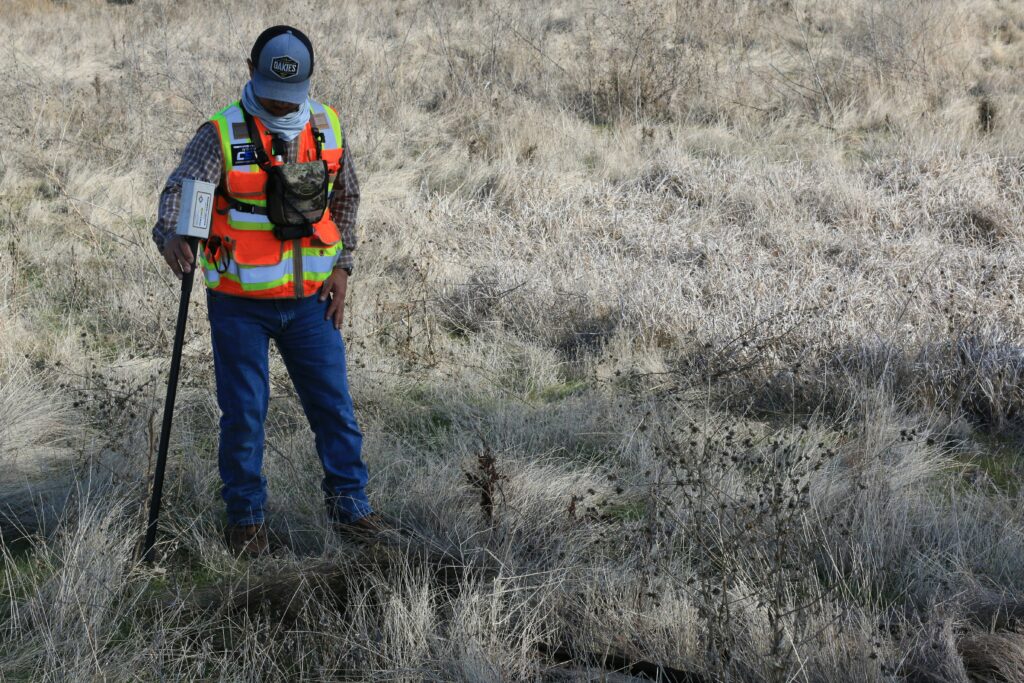
Licensed surveyors conduct boundary surveys to determine the exact dimensions and boundaries of the property. They can also identify encroachments, easements, and other physical issues.
4. Environmental Consultants
Environmental consultants assess the land for potential hazards, such as soil contamination, wetlands, or endangered species habitats. They can also conduct Phase I Environmental Site Assessments (ESAs) for larger properties.
5. Land Use Planners and Engineers
These professionals evaluate the land’s development potential, including zoning compliance, utility access, and infrastructure requirements. They can also help you navigate the permitting process.
6. Financial Advisors and Accountants
Financial experts can help you understand the tax implications of your purchase and assess the long-term financial viability of the investment.
Why Hire a Professional for Due Diligence?
While it’s possible to conduct some due diligence on your own, hiring professionals offers several advantages:
1. Expertise and Experience
Professionals have the knowledge and experience to identify issues that might not be obvious to a layperson. For example, a surveyor can spot boundary discrepancies that could lead to disputes, while an environmental consultant can detect hidden contamination.
2. Time Savings
Due diligence is a time-consuming process that involves researching records, visiting government offices, and coordinating with multiple parties. Professionals can handle these tasks efficiently, allowing you to focus on other aspects of the purchase.
3. Peace of Mind
Knowing that experts have thoroughly vetted the property gives you confidence in your decision. It also reduces the risk of unpleasant surprises down the road.
4. Legal Protection
Professionals can help you draft contracts and negotiate terms that protect your interests. For example, a real estate attorney can include contingencies in the purchase agreement that allow you to back out if due diligence uncovers significant issues.
Cautionary Tales: Lessons Learned from Land Buyers
Story 1: The Hidden Easement
A couple in Texas purchased a picturesque plot of land to build their dream home. They skipped hiring a surveyor to save money, assuming the property boundaries were clear. After construction began, they discovered that a utility company had an easement running through the middle of the property, allowing them to install power lines. The couple had to halt construction and redesign their home, incurring significant additional costs. This could have been avoided with a proper survey and title search.
Story 2: The Unbuildable Lot

A man in California bought a hillside property with plans to build a vacation cabin. He didn’t check the zoning laws or conduct a soil test. After purchasing the land, he learned that the steep slope made it unsuitable for construction without expensive engineering work. Additionally, the area was zoned for agricultural use only, preventing him from building a residential structure. He was left with a piece of land he couldn’t use as intended.
Story 3: The Environmental Nightmare
A developer purchased a large parcel of land in Florida to build a housing development. He skipped the environmental assessment to save time and money. During construction, workers discovered toxic chemicals in the soil, remnants of an old industrial site. The cleanup costs were astronomical, and the project was delayed for years. A Phase I ESA would have revealed the contamination before the purchase.
Conclusion
Conducting proper due diligence is a non-negotiable step in the land-buying process. It protects you from legal, financial, and environmental risks while ensuring that the property meets your needs. While it may seem like an additional expense, the cost of skipping due diligence can far outweigh the investment in professional services. By hiring experts to guide you through the process, you can make an informed decision and avoid the pitfalls that have ensnared many unsuspecting buyers. Remember, when it comes to land purchases, it’s better to be safe than sorry.