Rural Living in Elko County, Nevada
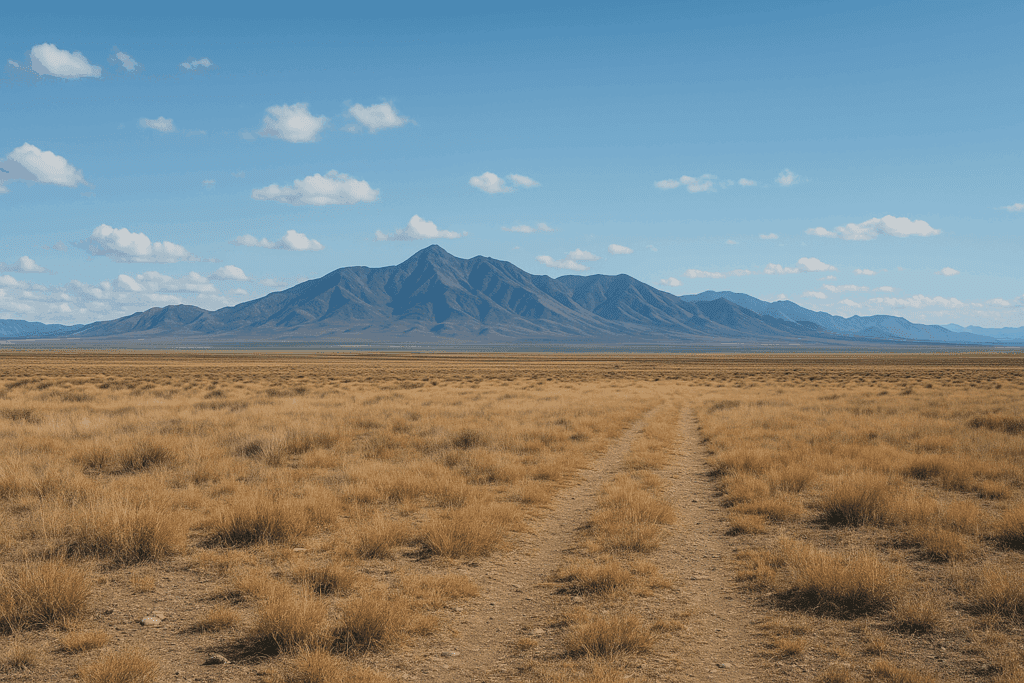
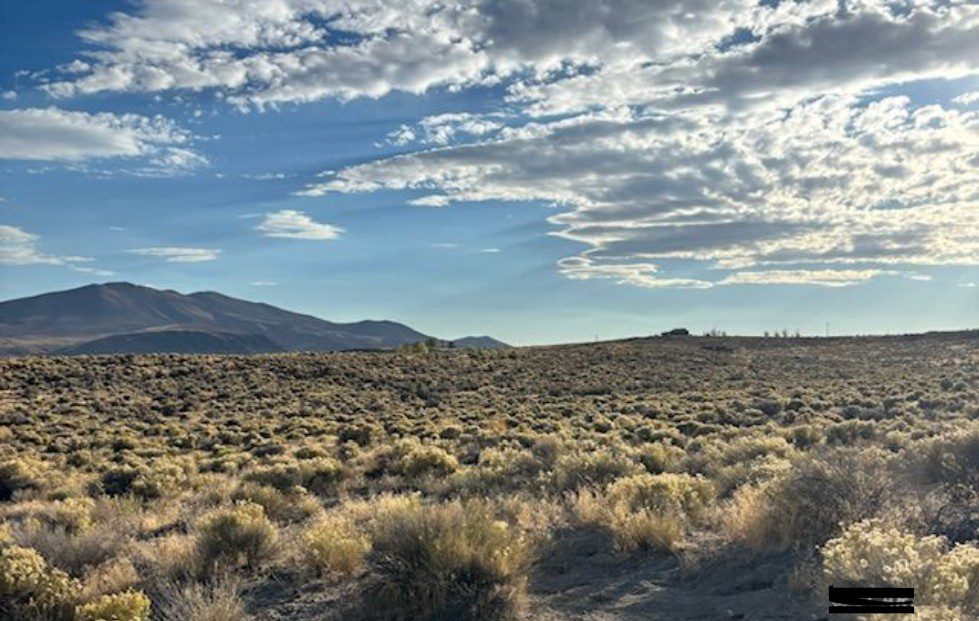
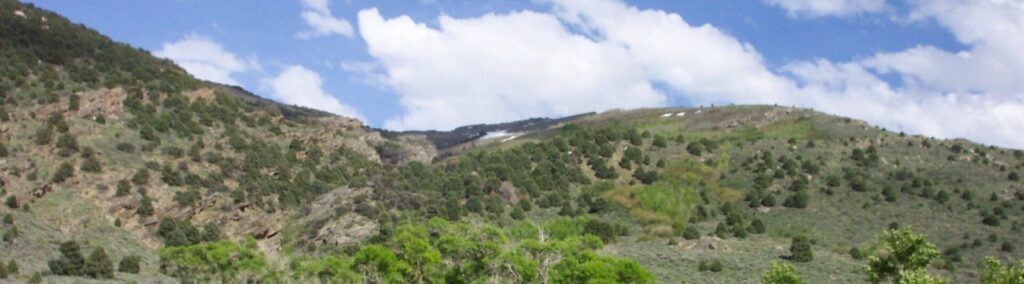
Elko County, Nevada is one of the most geographically expansive rural counties in the United States. Spanning over 17,000 square miles, it is larger than some U.S. states — yet home to fewer than 60,000 people. It’s a place where the horizon stretches unbroken for miles, landscapes range from craggy mountains to sage-covered desert plains, and the rhythms of life are shaped by hardworking communities, open spaces, and a rugged Western spirit.
While towns like Elko and Spring Creek serve as economic and cultural centers, a significant portion of the county’s residents live beyond municipal boundaries — in places where paved streets end, services are sparse, and the land governs daily life. Living in rural Elko County means embracing both the opportunities and challenges that come with wide-open spaces, deep-rooted traditions, and a frontier lifestyle.
Understanding the Rural Landscape and Access Challenges
One of the defining realities of rural life in Elko County is the sheer scale and remoteness of the landscape. Many rural properties are located miles from paved highways, postal addresses, or community hubs. While you might have legal access to a parcel, that doesn’t always guarantee reliable physical access for everyday use or emergency services.
Elko County’s official rural living guide notes several important aspects of access:
- Road infrastructure varies widely. The county maintains approximately 1,100 miles of paved and gravel roads, but far more miles consist of unpaved or unimproved tracks. Some roads are public but not maintained; others are private and cared for by landowners or road associations.
- Emergency response may be slow or limited. Rural homes can be far from first responders, fire services, or medical care, especially during extreme weather. Residents are encouraged to carry emergency supplies and prepare for times when roads may be impassable.
- School transportation can be affected by access. School buses only travel on designated maintained roads. Rural families may need to drive their children to pickup points on county roads.
These conditions mean that planning ahead is essential. Prospective rural homeowners and land buyers are urged to confirm road status, maintenance responsibilities, and winter accessibility before making decisions.
Utilities, Services, and Daily Necessities
Another major distinction between urban or small-town life and rural living in Elko County is how utilities and services are delivered — or sometimes not delivered at all.
Electricity and Communication
In many rural areas, electrical service may be absent or limited to basic single-phase power. Extending power lines to remote locations can be costly, and outages occur more frequently than in developed areas. Residents often rely on generators, backup systems, or alternative energy sources.
Landline quality can be spotty, cellular service is inconsistent in remote or mountainous terrain, and traditional telephone or broadband internet may not meet urban standards.
Water and Sewer
Water infrastructure is a critical consideration:
- If a property is not near a municipal system, residents generally rely on domestic wells. Drilling and pump costs vary, and water availability and quality differ from location to location.
- Some rural wells are permitted only for domestic use, not irrigation or livestock, meaning agriculture may require additional approvals.
- Sewer service, where available, may be expensive to connect to. Most rural homes use approved septic systems.
Mail and Deliveries
While many rural residents still receive mail delivery, not all areas are serviced. Package delivery can be limited or unavailable — it’s essential to verify delivery status before moving.
Even trash removal isn’t universal. Some rural residents haul waste to landfills themselves, and recycling services may be scarce.
Land, Zoning, and Property Ownership
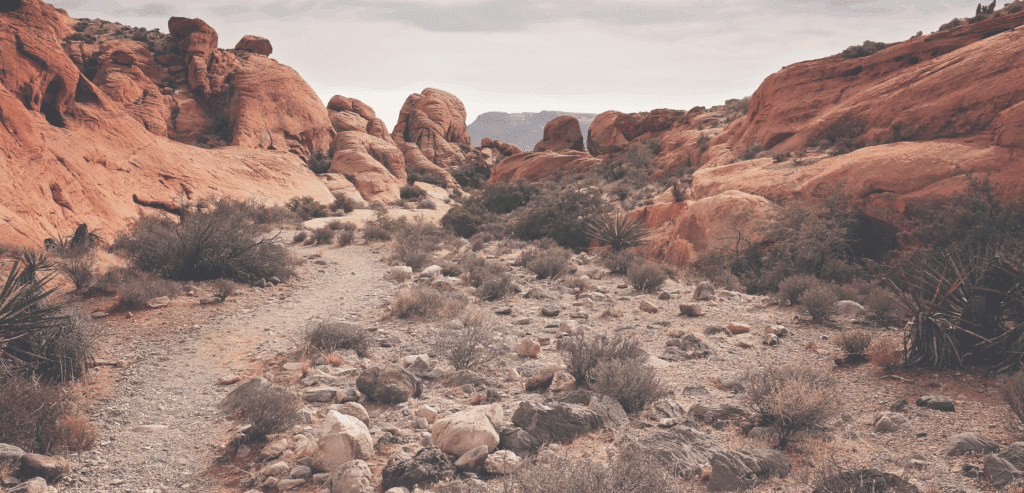
Rural land ownership in Elko County is shaped by zoning rules that reflect the varied ways people want to use the land — from agricultural homesteads to off-grid lifestyles.
The county’s zoning regulations include categories like Agricultural-Residential (AR), which support estate-type living with small-scale agriculture, and other classifications that preserve open space or permit a mix of uses.
AR zoning is especially popular in rural areas because it allows for a single-family residence and supports hobby agriculture, small livestock, and related rural pursuits. This flexibility makes it ideal for homesteaders or people seeking a country lifestyle.
Many parcels in rural Elko County are affordable compared to urban parcels — land listings often show low prices per acre and minimal restrictions, making the area attractive for people who want to build custom homes, ranch, or live off-grid.
However, there are important considerations:
- Not all parcels are buildable. Buyers should verify buildability, water access, and physical access before purchasing.
- Easements and legal access issues matter. Roads that appear on maps may not be legally maintained or may cross private land with restrictions.
- Open range laws apply. Cattle and livestock can roam freely, and property owners are responsible for fencing and managing livestock interactions.
The Rural Experience: Lifestyle, Community, and Culture
Rural life in Elko County is far more than a set of logistical realities. It’s a cultural identity rooted in independence, connection to the land, and community traditions.
Western Heritage and Ranching
Elko County’s rural identity is deeply tied to ranching, agriculture, and the Western way of life. Generations of ranchers have shaped the landscape, built tight-knit communities, and passed down skills that still matter today.
Even if a resident isn’t a rancher, the presence of cattle drives, hay fields, and livestock on open range is a part of daily life. This agricultural backdrop fosters a mutual respect among neighbors and a shared understanding of hard work and land stewardship.
Outdoor Recreation and Natural Beauty
Rural living here means easy access to spectacular outdoor spaces. From hiking and hunting to fishing and off-road exploration, residents enjoy a lifestyle that is deeply embedded in the natural world.
Whether it’s exploring mountain trails or watching desert sunsets, the landscape isn’t just scenery — it’s part of how people live, work, and connect.
Community Events and Culture
While rural living can be isolated, Elko County’s cultural events bridge distances:
- The county hosts large gatherings like the National Cowboy Poetry Gathering, celebrating Western arts, poetry, and heritage.
- Small towns and rural communities have local fairs, rodeos, and festivals that draw people together.
These events reinforce the county’s traditions and provide a sense of belonging that transcends rural solitude.
Challenges and Rewards of Rural Life
Living outside urban centers in Elko County presents both difficulties and distinctive rewards:
Challenges
- Isolation: With services far apart and amenities limited in some areas, residents must be self-sufficient and adaptable.
- Infrastructure Limitations: Utilities, internet, and emergency response vary greatly depending on location.
- Weather Extremes: Harsh winters and summer heat can make roads difficult and access unpredictable.
Rewards
- Freedom and Space: Vast open land and minimal regulations allow for a lifestyle that many rural residents prize — from gardening and livestock to starry night skies.
- Community Bonds: In rural areas, neighbors help neighbors, and social ties often run deep.
- Connection to Nature: Daily life here blends work and play with the landscape itself — whether riding horses, hiking canyons, or simply breathing fresh desert air.
Life Beyond the Town — Rural Living in Elko County, Nevada Conclusion
Rural living in Elko County, Nevada is not for everyone — but for those who choose it, it offers a distinctive blend of freedom, natural beauty, and community rooted in Western heritage. From unpaved roads to open horizons, the county’s rural landscape demands self-reliance, adaptability, and respect for the land.
Whether you’re drawn by agriculture, outdoor living, or the chance to own acreage in one of the American West’s most open places, rural Elko County offers opportunities that are increasingly rare elsewhere — a life shaped by wide sky, rugged terrain, and a community that embraces the frontier spirit.