
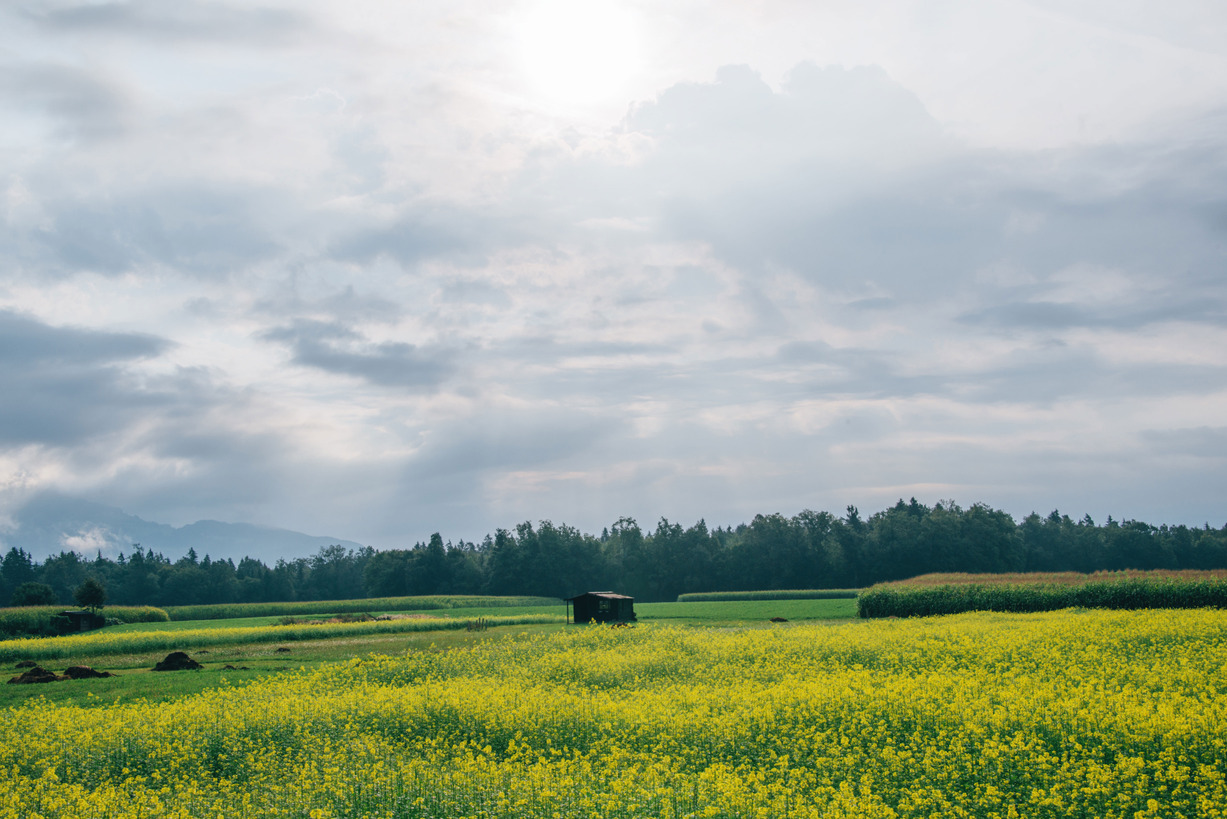
Buying undeveloped land is often seen as a blank canvas for future possibilities. For investors with a long-term vision, a higher risk tolerance, and strategic planning skills, raw land can offer significant rewards. However, this type of investment also comes with unique challenges that must be fully understood and evaluated.
In this comprehensive guide, we’ll explore investing in undeveloped land: the opportunities and challenges, offer insights into the factors that can influence your investment, and provide tips to help you make informed decisions.
Investing in Undeveloped Land: Opportunities and Challenges – The Advantages
1. Future Development Potential
Create Your Vision from the Ground Up
One of the most compelling reasons to invest in undeveloped land is the opportunity to bring your vision to life. Whether you’re considering building a custom home, starting a farming operation, developing a commercial property, or holding the land for resale, raw land provides a flexible foundation.
For developers and entrepreneurs, this can be a dream scenario—an open space to design according to your specifications without the limitations of existing structures. From zoning to layout, you have full control over how the land is used, assuming compliance with local laws.
2. Lower Initial Purchase Cost
More Affordable Entry into Real Estate
Compared to developed properties with existing structures, utilities, and infrastructure, undeveloped land typically has a much lower upfront cost. This makes it more accessible for first-time investors or those looking to expand their real estate portfolio without incurring heavy debt.
Buyers can often purchase larger parcels of land for the same price—or even less—than a small residential or commercial building in a developed area. This cost advantage can open the door to larger-scale developments or more speculative long-term investments.
3. Investment Flexibility and Timing
Develop on Your Own Schedule
Unlike developed properties, where the clock starts ticking on property management and tenant obligations the day you close, raw land allows you to wait. You can take time to understand the local market, plan the development, secure financing, or wait for the area to appreciate before making any major moves.
This “hold and wait” approach can be particularly beneficial in up-and-coming areas where development is on the horizon but hasn’t yet taken off. The flexibility gives investors breathing room and the ability to make strategic choices.
4. Potential for Long-Term Appreciation
Capitalize on Regional Growth
Undeveloped land located in areas with expected population growth, economic expansion, or infrastructure improvements can experience significant appreciation over time. Investors who buy land early in the development cycle of a region often see the greatest returns.
For example, land near planned transportation hubs, expanding city borders, or new industrial developments may become highly valuable in the future. This potential for appreciation is a strong incentive for long-term investors who can afford to wait for the market to mature.
Investing in Undeveloped Land: Opportunities and Challenges – The Drawbacks and Risks
1. No Immediate Income
Holding Without Revenue
One of the biggest disadvantages of buying raw land is the lack of income generation. Unlike rental properties, which can start producing monthly income right after purchase, undeveloped land typically sits idle until it’s put to use.
This can be a challenge for investors who need short-term returns or who don’t have additional sources of cash flow to support holding costs such as taxes, maintenance, or loan payments. Land banking—the practice of holding land as a long-term investment—requires patience and a strong financial buffer.
2. High Development Costs
Building from Scratch Isn’t Cheap
Although the initial purchase price might be low, the total cost of developing raw land can be high. Expenses may include:
- Land clearing and grading
- Building roads and driveways
- Installing utilities (water, electricity, gas, sewage)
- Securing construction permits
- Meeting environmental or zoning compliance
These expenses can add up quickly and may vary greatly depending on location, terrain, and intended use. In rural or remote areas, infrastructure may be entirely absent, further driving up costs and timelines.
3. Exposure to Market Fluctuations
Vulnerability to Changing Economic Conditions
The real estate market can be unpredictable, and undeveloped land is particularly susceptible to fluctuations. If demand slows or development plans fall through due to economic downturns or policy changes, the land may depreciate or become difficult to sell.
Additionally, because raw land is not producing income, you may find yourself holding a non-performing asset during tough market conditions, which can put financial strain on your overall investment strategy.
4. Zoning and Regulatory Hurdles
Hidden Restrictions and Legal Barriers
Not all land is created equal in the eyes of local government. Zoning laws, land-use regulations, and environmental protections can restrict what you can do with the property. Common restrictions include:
- Residential vs. commercial zoning
- Setback requirements
- Environmental protections (wetlands, endangered species)
- Height and density limits
In some cases, you may be required to apply for zoning changes or special use permits, which can be a lengthy and uncertain process. Failing to understand these regulations ahead of time could result in costly mistakes or project delays.
Strategic Tips for Buying Undeveloped Land
Do Your Due Diligence
Before purchasing land, thorough research is critical. Key areas to investigate include:
- Zoning laws and permissible uses
- Access to utilities and road infrastructure
- Soil quality and topography
- Flood zones and environmental hazards
- Comparable land values in the area
- Future development plans in the region
Consider hiring professionals like land surveyors, environmental consultants, and real estate attorneys to help you identify any red flags before making a commitment.
Understand Your Exit Strategy
Go into the purchase with a clear idea of your long-term goals. Are you planning to develop the land? Flip it for profit? Hold it for retirement? Your strategy will influence everything from location selection to how you finance the purchase.
Investors should also plan for contingencies. What if the area doesn’t develop as quickly as expected? What if zoning changes don’t get approved? Having a backup plan can help you stay financially resilient.
Budget for the Unexpected
When budgeting for raw land, be conservative and assume that hidden costs will arise. Permitting delays, construction challenges, and even local opposition can stall or complicate your plans.
Build in at least a 10–20% contingency buffer in your budget to prepare for these unforeseen events. This can mean the difference between a profitable project and a financial setback.
Investing in Undeveloped Land: Opportunities and Challenges – Final Thoughts
Investing in undeveloped land can be a rewarding venture for those who are prepared to do the research, take calculated risks, and play the long game. While the potential for appreciation, development freedom, and lower entry costs is appealing, the risks—particularly the lack of immediate income and complex development requirements—are not to be underestimated.
Whether you’re a seasoned investor looking to diversify your portfolio or a first-time buyer with a dream project in mind, success in raw land investment comes down to preparation, patience, and a strong understanding of both the land and the market that surrounds it.